
The Phoenix Catalyst · Environmental Well-Being
Volunteering at wildlife and nature centers
Behind-the-scenes help for the people who rehabilitate injured wildlife and teach the rest of us about the natural world.
What it is
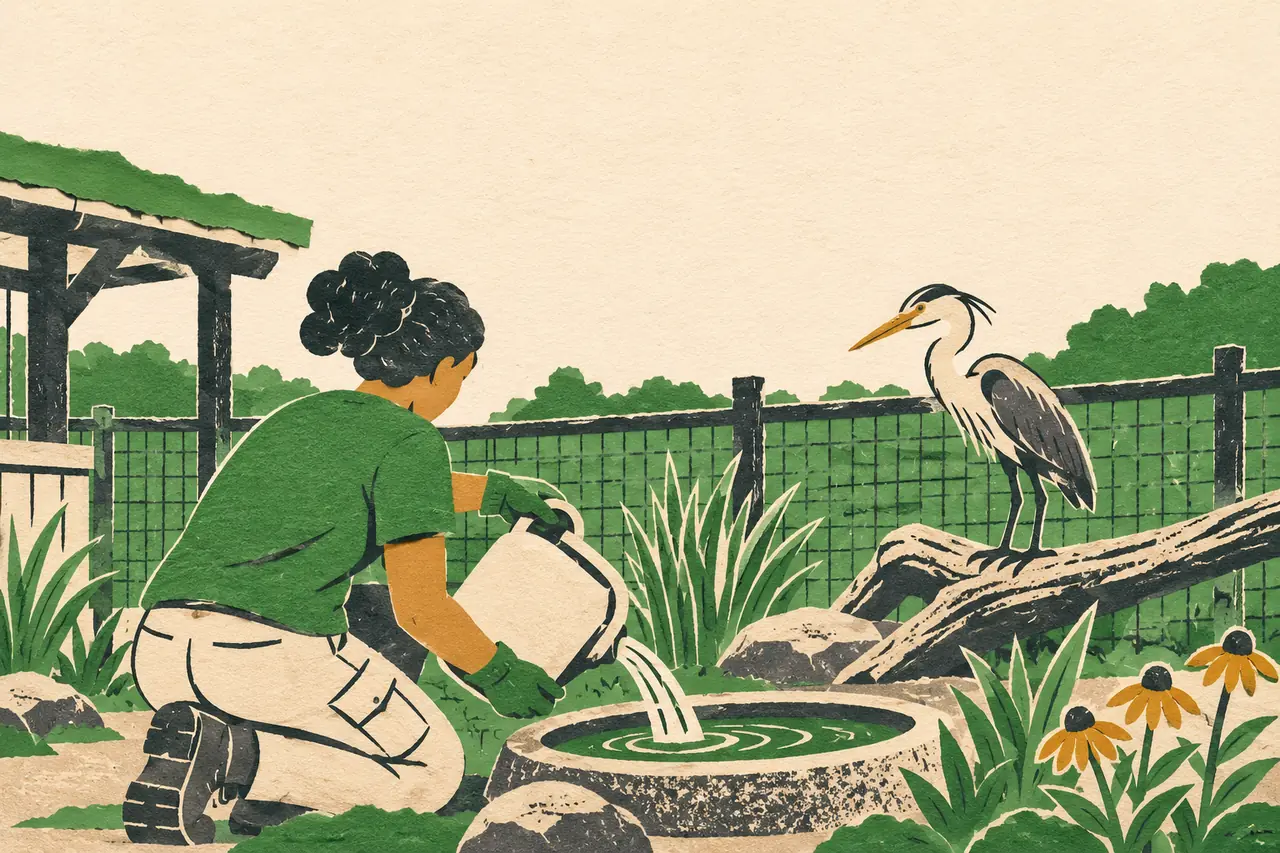
Wildlife rehabilitation centers and nature centers run on volunteers. We organize group shifts for the jobs they need done: habitat and enclosure upkeep, grounds work, cleaning, building supplies, and supply drives for the things they go through fastest.
We follow each center’s rules exactly. Animal care is done only by the center’s trained staff; our groups do the work that frees them to do it.
How it goes
What a day looks like
- OrientationThe center explains its rules, what we’ll do and what we won’t.
- Group projectGrounds, habitat, cleaning or building, depending on what they need that day.
- LearnMany centers end with a short talk about the animals and how to help wildlife at home.
- DebriefWhat we did, what they need next, and what we can bring next time.
Why it matters
Why we do it
- Small centers stretch every hour of staff time; volunteer groups give them days back.
- Supply drives meet real, specific needs.
- You learn what to do when you find injured wildlife.
What to bring
- Clothes that can get dirty
- Closed-toe shoes
- Water
- Anything the center lists for that shift
What we provide
- A group lead who knows the center’s rules
- The supply list for drives
- Rides shared where we can
Safety and good practice
- No handling of animals unless the center trains and assigns you.
- Follow the center’s hygiene rules every time.
- Stay in the areas you’re shown.
Get involved
Ways to help
- Run a supply drive from the center’s wish list
- Coordinate group shifts
- Build nest boxes or enclosure parts
- Drive donations to the center
Questions
Good to know
Will I get to work with animals?
Usually not. Animal care is for the center’s trained staff. Our job is to make their work easier.
Can I bring my kids?
It depends on the center. We list the minimum age for every shift.
I found an injured animal. What do I do?
Keep your distance and contact a licensed wildlife rehabilitator or your state’s wildlife agency.
Related
You might also like
Environmental Well-Being
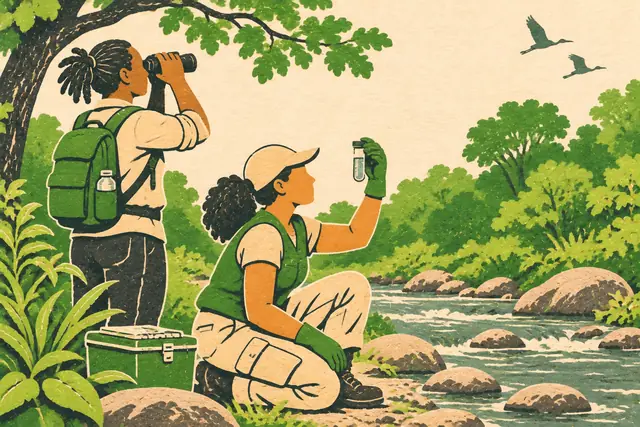
Citizen science
Count birds, test streams and record wildlife so scientists and land managers get real data.
Learn more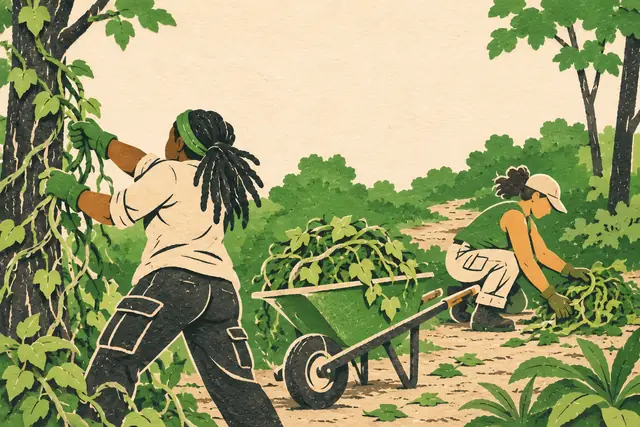
Environmental Well-Being
Trail care and invasive plant removal
Clearing paths, fixing drainage and pulling the invasive plants that crowd out native woods.
Learn more
Community Support & Connection
Essentials drives
Hygiene kits, household goods, blankets and seasonal needs, collected and given with dignity.
Learn more