
The Phoenix Catalyst · Mental & Emotional Well-Being
Understanding emotional abuse
Clear education on narcissistic abuse, coercive control, gaslighting, manipulation and codependency, and where to find help.
What it is
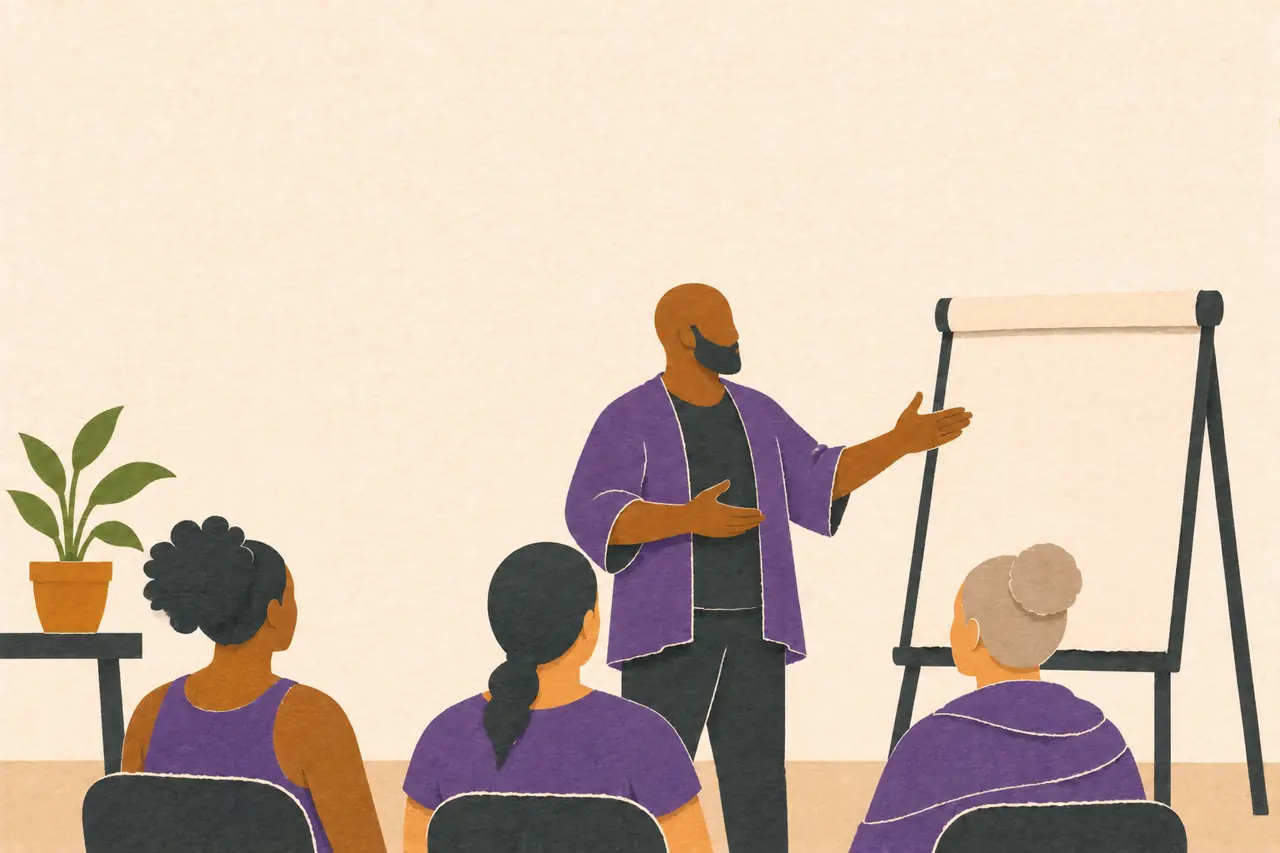
Emotional abuse is hard to name, especially from the inside. We run educational talks and discussion groups that explain common patterns of psychological harm in plain language, help people recognize them, and connect them with trained organizations for safety planning and support.
The focus is empowerment, understanding and safety, never blame.
How it goes
What a day looks like
- WelcomeGround rules, confidentiality and a reminder you can leave anytime.
- LearnPatterns and red flags, explained clearly.
- DiscussOptional, guided discussion.
- ResourcesSafety resources and trained hotlines.
Why it matters
Why we do it
- Naming a pattern is often the first step out of it.
- Survivors are less alone when they hear others.
- Friends and family learn how to help without making it worse.
What to bring
- Nothing. Come as you are.
What we provide
- A trained facilitator
- Safety resources
- A quiet space to step out
Safety and good practice
- This is not therapy, counseling or medical care. If you’re in crisis, call or text 988, or call 911 in an emergency.
- If you’re in an abusive relationship, the National Domestic Violence Hotline is free and confidential 24/7: 1-800-799-7233, or text START to 88788.
- Use a private device to look for help if you think your phone or computer is monitored.
- We never ask you to share your story.
Get involved
Ways to help
- Facilitate (with relevant training)
- Help build our resource list
- Spread the word
Questions
Good to know
Is this a support group?
It’s education and peer discussion, not therapy. We’ll connect you with trained support services.
Can I come anonymously?
Yes. First names or none.
Can men attend?
Yes. Abuse affects people of every gender.
Related
You might also like
Mental & Emotional Well-Being
Mental health awareness
Talks, campaigns and events about stress, burnout, suicide prevention and recovery, without stigma.
Learn more
Mental & Emotional Well-Being
Inner-work and healing circles
Nonclinical circles for reflection: inner-child work, forgiveness, release and shadow work.
Learn more
Community Support & Connection
Finding local help
Where to find food, housing, mental health and crisis support. Information only, and always free.
Learn more