
Myth busting
Myth: crunches burn belly fat. Here's what the research really says
Can you lose fat from one spot by exercising that body part? Mostly no. Here's what studies show about spot reduction, the one interesting exception, and what actually works.
Listen to this post · read by Connor
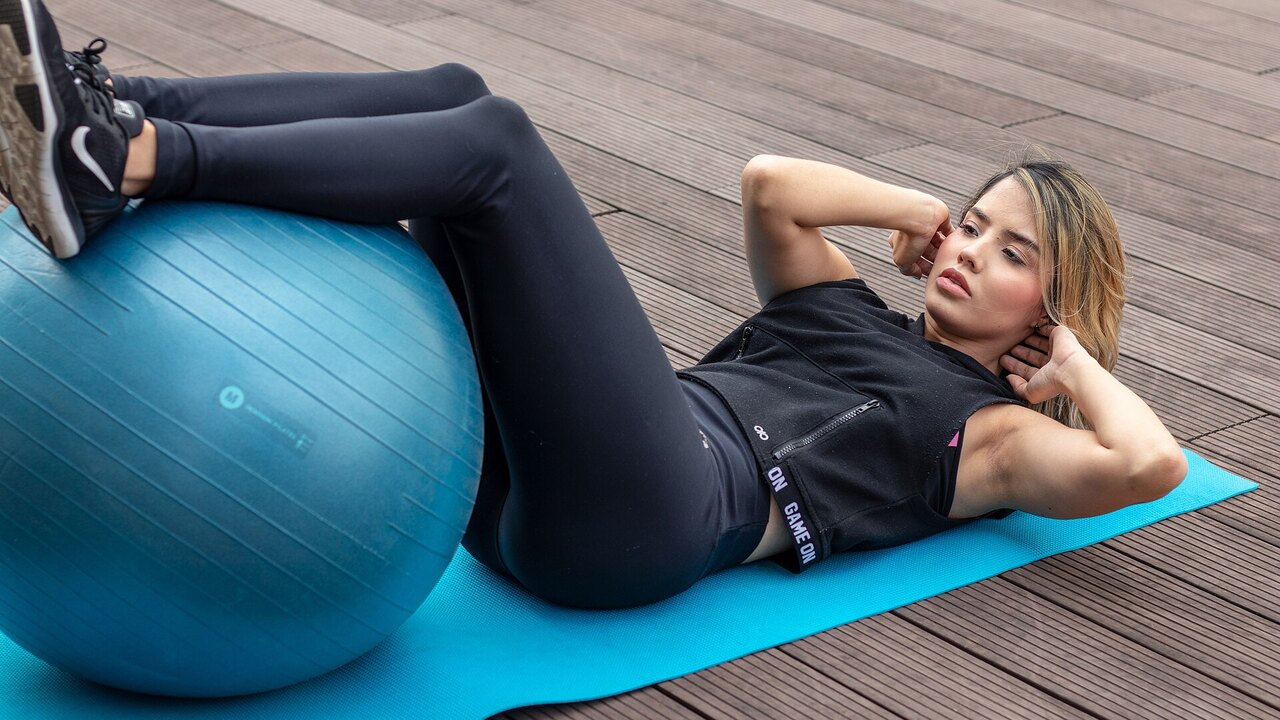
It makes sense on the surface. Want a flatter stomach? Do crunches. Want slimmer arms? Do triceps kickbacks.
This idea is called spot reduction: the belief that exercising one body part burns the fat on top of it. It has sold a lot of ab gadgets and "belly blaster" programs. Unfortunately, it mostly doesn't work.
What the research shows
The classic ab study. In 2011, researchers at Southern Illinois University split 24 inactive adults into two groups. One group did seven ab exercises, 2 sets of 10 reps, five days a week for six weeks. The other group didn't. At the end, the ab group had better ab endurance (they could do more curl-ups), but there was no difference in belly fat, body fat percentage or waist size.
The one-leg study. In a small 2013 trial, untrained adults trained only one leg on a leg press for 12 weeks. They did lose some fat, but it came off the trunk and arms, not the leg they trained. The fat on the trained leg didn't change any more than on the untrained leg.
The National Strength and Conditioning Association (NSCA), a leading professional body for strength coaches and trainers, uses these studies to explain to trainers why exercising one area doesn't target the fat there.
Wait, there's a twist
A small 2023 randomized controlled trial from Norway suggested the story may be a little more complicated.
- Who: 16 overweight men, average age 43.
- What: both groups burned about the same number of calories. One group did treadmill running only. The other did a mix of running and long, light sets of ab exercises.
- Result: total fat loss was about the same. The ab group lost a bit more fat from the trunk area.
The researchers concluded that some local fat loss may happen. But this was one small study in men, and the extra effect was modest. It doesn't mean crunches are a fat-loss shortcut.
So why doesn't it work like we expect?
When your body needs energy, it releases stored fat into your bloodstream, and that fat can come from anywhere. Working a muscle doesn't mean the fat right next to it gets used first.
Where you lose fat first, and where you store it, depends a lot on your genetics, sex, age and hormones. That's why two people on the same plan can change shape very differently.
What actually works
If your goal is to lose body fat, including around your middle:
- Strength train your whole body 2–3 days a week. Muscle helps you look and feel stronger, and it supports your metabolism and long-term health.
- Do regular cardio you enjoy, like brisk walking, cycling or swimming, building toward at least 150 minutes a week.
- Look at your eating habits. Fat loss generally needs you to use more energy than you take in over time. A registered dietitian can help you do that safely.
- Sleep and stress matter too. Poor sleep makes it harder to stick with good habits.
- Be patient. Your body decides the order it loses fat. Keep going and the "stubborn" spots usually change too.
Should you still train your abs?
Yes, just for the right reasons. A strong core helps you lift, carry, twist and balance, and it can make everyday tasks easier. Great choices:
- Planks: a straight line from ears to ankles, glutes squeezed.
- Dead bugs: lying on your back, lower opposite arm and leg slowly while your lower back stays pressed to the floor.
- Carries: walk tall holding a weight in one or both hands, without leaning.
When to stop: if any ab exercise causes back or neck pain, stop and try an easier version. If you're pregnant or postpartum, or have a hernia or back injury, check with your doctor or a physical therapist about which core exercises are right for you.
Your move
- Swap "100 crunches a day" for 2–3 full-body strength sessions a week.
- Add a core move or two to each session.
- Want a plan that fits your goals? Learn about personal training or book a free fitness consultation.
Sources
General fitness information, not medical advice. Check with your doctor before starting something new, especially with an injury, a health condition or during pregnancy.
Want a plan built around you?
Train with me in person or virtually, no membership needed.
Keep reading
More from the blog
How long should you rest between sets? The 60-second rule, checked
Is "rest a minute to build muscle" backed by research? A 2024 meta-analysis suggests a possible small size benefit from resting longer than 60 seconds, and one small trial found more strength with 3-minute rests. Here is what that means for your rest timer this week.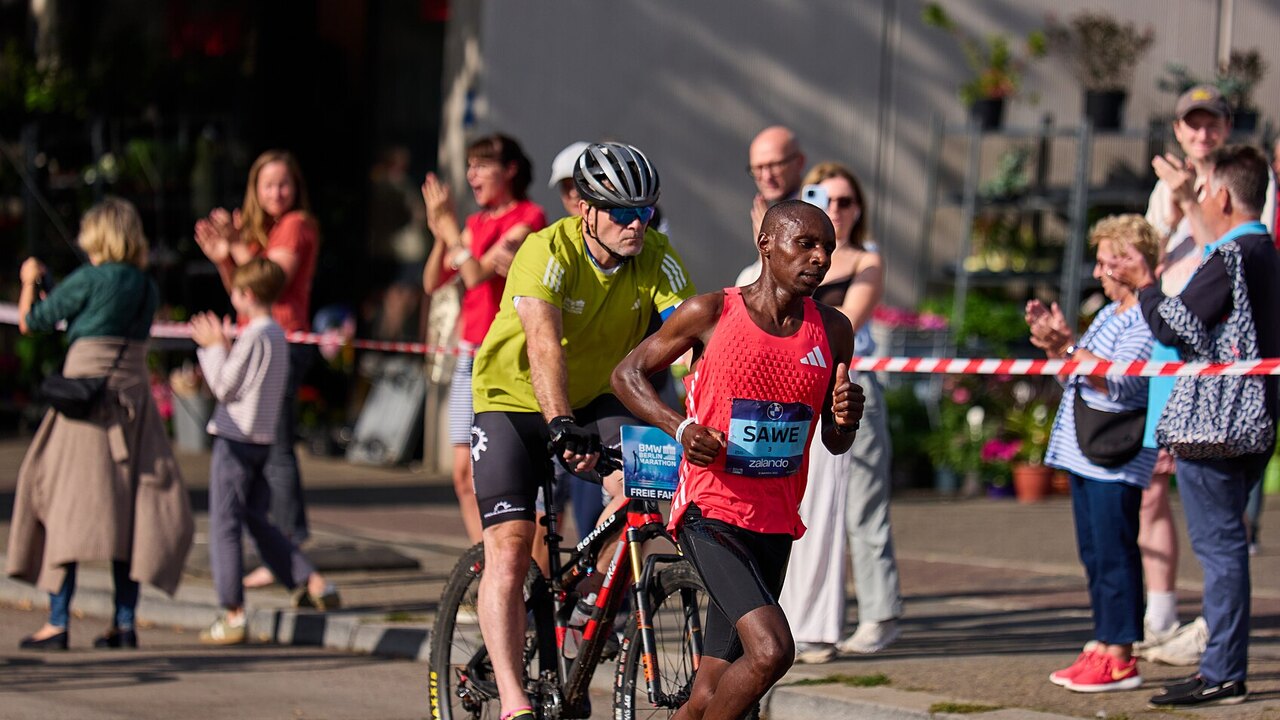
The first sub-2-hour marathon in a real race, and what it teaches the rest of us
Sabastian Sawe ran 1:59:30 at the London Marathon, the first sub-two in a record-eligible race. Outside just named him an Outsider of the Year. Here's what happened and what everyday runners can take from it.