
How-to
She planked for 5 hours at 61. Here's the 2-minute version for the rest of us
A 61-year-old grandmother of 12 held a plank for five hours. The real lesson isn't the time, it's the habit. Here's how to plank well, the 3 mistakes to fix, and a 2-minute daily plan.
Listen to this post · read by Connor
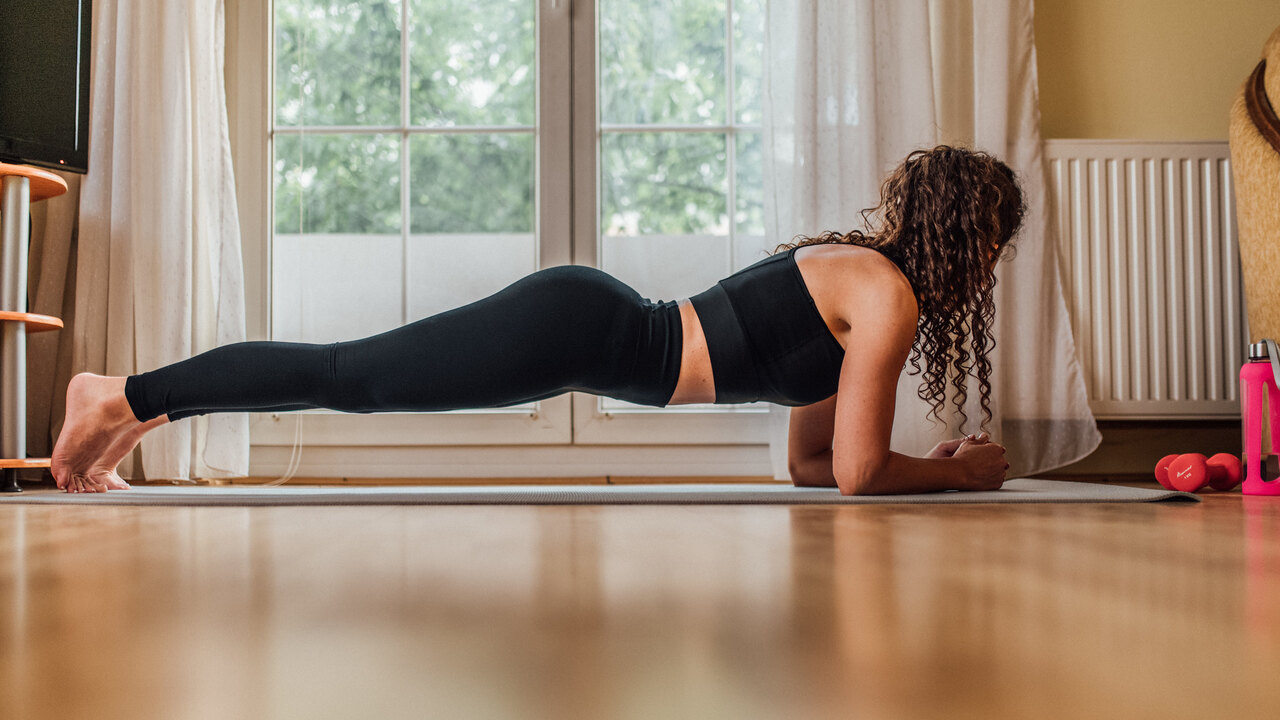
In early October, a 61-year-old retired high school vice-principal got down on her forearms and stayed there. Five hours later, DonnaJean Wilde had passed her own world-record time for the longest plank held by a woman. (At last report, Guinness World Records was still reviewing the new time.)
She's a grandmother of 12, and she made the attempt at the Huntsman World Senior Games in St. George, Utah, an event for athletes aged 50 and over.
Here's what we love about this story: it isn't really about five hours. It's about what happens when one small habit gets repeated for 15 years.
How a broken wrist started a world record
About 15 years ago, Wilde hurt her wrist. While she was in a cast she found she could still hold a plank, so she did. (That was her call. If you're injured, check with your doctor or physical therapist before training around it.) When the cast came off, she kept going.
Since then, planking has become part of her day. She reads, answers texts and gets work done while she holds it. She has said she earned a master's degree and wrote a book that way.
Her previous record was 4 hours, 30 minutes and 11 seconds, set in 2024. This year she pushed past five hours.
Not everyone was impressed: according to The Daily Beast, some critics questioned whether her form was strict enough. That's a good opening for the part that matters to you, because form is exactly where most people's planks go wrong.
A five-hour plank is an extreme feat built over years of daily practice. It's not a goal most of us need, and you don't need anything close to it to get the benefits.
You don't need 5 hours. You need a good 30 seconds.
A plank is an isometric exercise. That means your muscles work hard without the joints moving. It trains your trunk to stay steady, which is what your core does all day when you carry groceries, lift a kid or brace before a heavy lift.
The CDC recommends that adults do muscle-strengthening activity that works all the major muscle groups on at least two days a week. Planks are a useful piece of that, not the whole thing.
A good coaching rule: the plank ends when your form breaks, not when the timer does. Several clean 20–40 second holds will do more for you than one long, shaky one.
How to do a forearm plank
Setup
- Kneel on a mat and place your forearms on the floor, elbows directly under your shoulders.
- Step your feet back one at a time, toes tucked, feet about hip-width apart.
Cues
- Make one straight line from your ears to your ankles.
- Gently squeeze your glutes and brace your stomach like you're about to be poked.
- Push the floor away so your upper back doesn't sag between your shoulder blades.
- Look at the floor just ahead of your hands, and keep breathing.
The 3 most common plank mistakes
- Sagging hips. Your lower back dips toward the floor and takes the work off your core. Fix: squeeze your glutes and tuck your tailbone slightly.
- Hips piked up high. It feels easier because it is. Fix: lower your hips until your body makes a straight line. Check in a mirror or film yourself.
- Holding your breath or craning your neck. Fix: breathe slowly and steadily, and keep your head in line with your spine.
Make it easier or harder
Easier
- Incline plank: forearms or hands on a bench, counter or sturdy chair.
- Knee plank: the same straight line, but from your knees to your head.
Harder
- Shoulder taps: from a high plank (on your hands), tap one shoulder at a time without letting your hips rock. Set your feet a little wider than your hips for balance.
- Side plank: stack your feet, lift your hips, and hold on each side.
- Long-lever plank: walk your elbows a few inches forward of your shoulders.
The 2-minute daily plank plan
You don't have to plank through a master's degree. About 2 minutes of planking a day is plenty. Try this for two weeks:
- Monday, Wednesday, Friday: 3 forearm planks of 20–40 seconds, with 30 seconds of rest between them.
- Tuesday, Thursday: 2 side planks on each side, 15–30 seconds each.
- Saturday: shoulder taps, 3 sets of 10 taps.
- Sunday: rest, or one easy plank while the coffee brews.
When every set feels solid, add 5 seconds or move to a harder version. That's how small habits grow into big ones.
When to stop
Stop and rest if you feel sharp or pinching pain in your back, shoulders or wrists, or any numbness or tingling. If pain keeps coming back, check in with a doctor or physical therapist before you continue. If you're pregnant, recovering from surgery or managing a heart or other health condition, ask your provider which core exercises are right for you.
Your move
- Pick one version of the plank you can hold with good form for 20 seconds.
- Do it today, then again tomorrow.
- Want someone to check your form or build it into a full program? Learn about personal training or book a free fitness consultation.
DonnaJean Wilde didn't start with five hours. She started with one plank in a wrist cast. Your first one can be today.
Sources
- Mothership: Woman, 61, breaks own world record for planking 5 hours straight (Oct 2026)
- The Daily Beast: Grandmother, 61, shatters fitness world record (Oct 2026)
- KSL: 61-year-old woman holds 5-hour plank at Huntsman World Senior Games (Oct 2026)
- mindbodygreen: DonnaJean Wilde planked for 5 hours straight (2026)
- CDC: Adult Activity, An Overview
General fitness information, not medical advice. Check with your doctor before starting something new, especially with an injury, a health condition or during pregnancy.
Want a plan built around you?
Train with me in person or virtually, no membership needed.
Keep reading
More from the blog
How long should you rest between sets? The 60-second rule, checked
Is "rest a minute to build muscle" backed by research? A 2024 meta-analysis suggests a possible small size benefit from resting longer than 60 seconds, and one small trial found more strength with 3-minute rests. Here is what that means for your rest timer this week.
The first sub-2-hour marathon in a real race, and what it teaches the rest of us
Sabastian Sawe ran 1:59:30 at the London Marathon, the first sub-two in a record-eligible race. Outside just named him an Outsider of the Year. Here's what happened and what everyday runners can take from it.