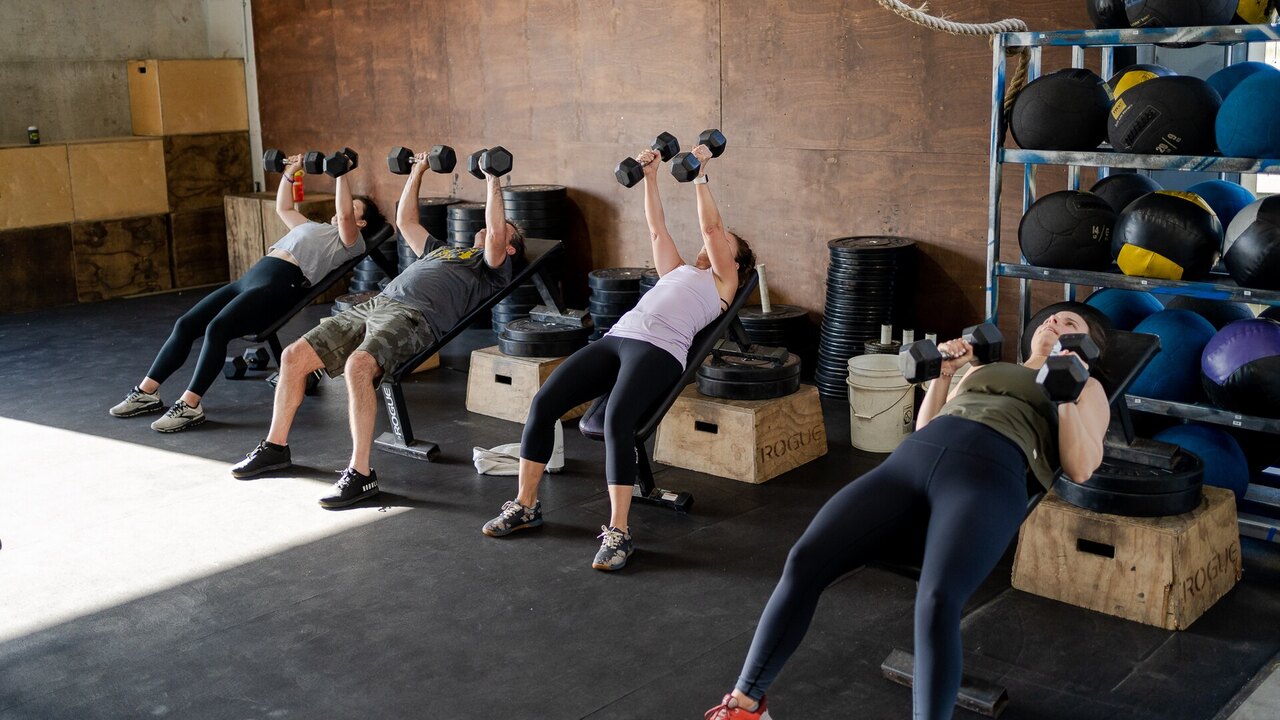

Pro tips
No time to work out? Try exercise snacks
Short bursts of movement, a minute or two at a time, can measurably improve fitness in people who don't exercise. Here's what the research shows and 10 easy exercise snacks to try.
Listen to this post · read by Connor

"I don't have time to exercise" is one of the most common reasons people give for not moving more. Exercise snacks are built for exactly that problem.
What's an exercise snack?
An exercise snack is a short, deliberate burst of movement, usually a few minutes or less, that you do several times a day. Think climbing a few flights of stairs, doing 10 squats while the kettle boils, or a brisk walk around the block between meetings.
It's like grazing instead of sitting down for a full meal. You don't need a gym, special clothes or a shower afterward.
What the research says
In late 2025, researchers in Spain published a systematic review and meta-analysis in the British Journal of Sports Medicine. That means they gathered every suitable randomized controlled trial on the topic and analyzed the results together.
- Studies included: 11 randomized trials with 414 people, about 69% women, ranging from young adults to people in their 70s. Everyone was physically inactive at the start.
- What counted as a snack: a structured bout of 5 minutes or less, done at least twice a day, at least 3 days a week, for at least 2 weeks.
The findings:
- Exercise snacks improved cardiorespiratory fitness (how well your heart and lungs supply your body during exercise) in inactive adults. The researchers rated the certainty of this evidence as moderate.
- In older adults, snacks improved muscular endurance, though the certainty of that evidence was rated very low.
- People stuck with them well. Adherence was high, which matters, because the best workout is the one you'll actually do.
There wasn't strong evidence yet that snacks change things like cholesterol or blood sugar. And the studies were small, so we'll learn more as bigger trials come in.
The bottom line: if you're not exercising right now, exercise snacks are a well-supported place to start.
10 exercise snacks to try
Aim for 1–3 minutes each, at an effort where talking gets a bit harder.
- Stair climb: walk briskly up 2–3 flights. Hold the rail.
- Chair squats: stand up from a chair and sit back down, 10–15 times.
- Wall or counter push-ups: 10–15 reps.
- Brisk walk: around the block, the parking lot or the hallway.
- Marching in place: with high knees, for 60 seconds.
- Calf raises: 20 reps while you brush your teeth.
- Step-ups: onto a sturdy bottom stair, 10 per leg.
- Glute bridges: lying on the floor or bed, 15 reps.
- Dance break: one full song.
- Carry the groceries: in two trips instead of five, walking tall.
Make any snack easier: use a counter for push-ups, climb one flight instead of three, or do fewer reps.
Make it harder: do push-ups on a lower surface, add a flight of stairs, or stand up from the chair slowly without using your hands.
How to make it a habit
- Tie it to something you already do. After every bathroom break, coffee refill or meeting, do one snack.
- Break up long sitting. If you sit for work, try moving for a couple of minutes every 30–60 minutes.
- Start with 3 a day. Add more as it gets easy.
- Make it a little harder over time. More reps, an extra flight of stairs, or a faster pace.
Snacks are a great start, and they're a great add-on for people who already exercise. If you can, build up toward the national guidelines: at least 150 minutes of moderate activity a week plus strength training two days a week.
When to stop
Stop and rest if you feel chest pain, dizziness, unusual shortness of breath, or sharp pain in a joint. If you have a heart condition, balance problems, are pregnant or are coming back from an injury, check with your doctor or a physical therapist first. Use a rail on stairs and a stable chair for squats.
Your move
- Pick 3 snacks from the list.
- Attach each one to something you do every day.
- Do them for one week and notice how you feel.
- Ready for a full plan? Learn about personal training or book a free fitness consultation.
Sources
General fitness information, not medical advice. Check with your doctor before starting something new, especially with an injury, a health condition or during pregnancy.
Want a plan built around you?
Train with me in person or virtually, no membership needed.
Keep reading
More from the blog
How long should you rest between sets? The 60-second rule, checked
Is "rest a minute to build muscle" backed by research? A 2024 meta-analysis suggests a possible small size benefit from resting longer than 60 seconds, and one small trial found more strength with 3-minute rests. Here is what that means for your rest timer this week.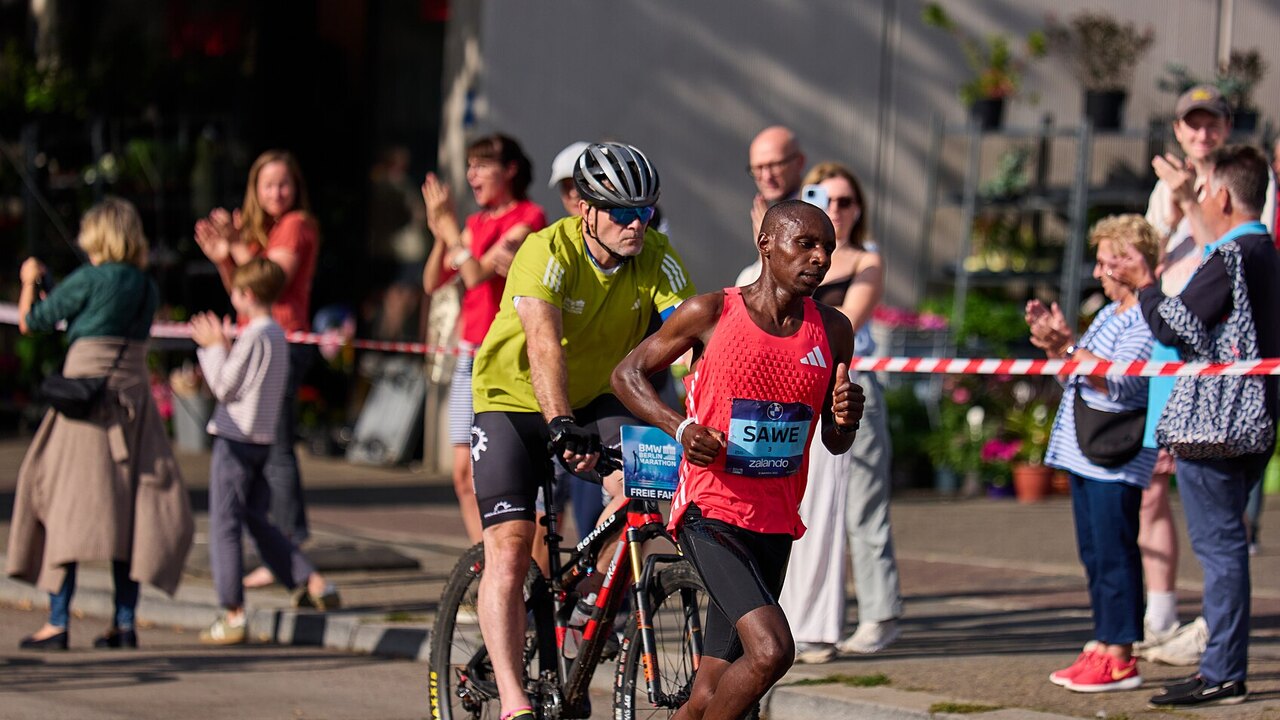
The first sub-2-hour marathon in a real race, and what it teaches the rest of us
Sabastian Sawe ran 1:59:30 at the London Marathon, the first sub-two in a record-eligible race. Outside just named him an Outsider of the Year. Here's what happened and what everyday runners can take from it.